ginger&jam
  • Home
  • Recipes
    • All
    • Breakfast
    • Muffins, Scones & Quick Breads
    • Entrees
    • Salads
    • Soups
    • Sides
    • Cookies, Cakes & Bars
  • Blogroll
  • About

Farmers’ market luxuries.

Posted on May 20, 2012

June 17th. Oh yes, just twenty-eight days left to patiently await the arrival of my neighborhood farmers’ market. It’s not easy, having been spoiled by my time in California and the plethora of produce there, always available, 365 days a year. You know what they say…you don’t realize what you have until you no longer have it!


In California we have the luxury of eating seasonally. This was something I began trying to do about two years ago. I committed to buying as much of my produce from the farmers’ market as possible. This meant giving up things like tomatoes in January. And blueberries in November. But it also meant a greater appreciation for eating what the earth wants to naturally give me. On its own time.


I didn’t quite realize just how much of a luxury this way of eating is until moving to New England. Here, January offers not only a lack of tomatoes but also an abundant supply of what seems like nothing more than root vegetables and apples. Unless you grow all your own produce or have regular access to farms, you’re limited to grocery stores because farmers’ markets aren’t up and running all year long. So, while roasted root vegetables and homemade apple pie are admittedly delicious, the thought of having only that for months on end renders the choice to eat seasonally less than appealing.
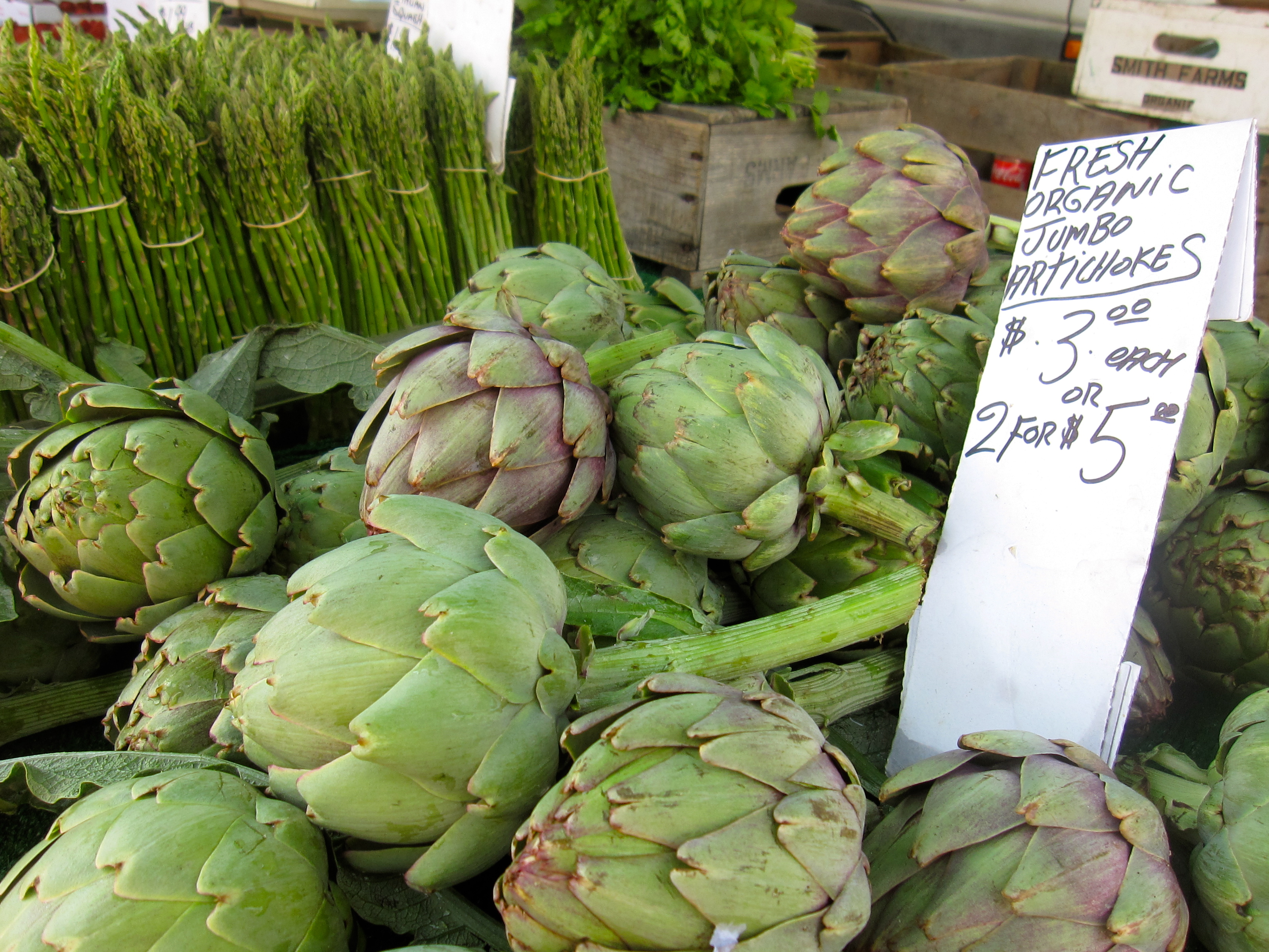


Sitting in class one day during the winter this became quite apparent. We were engrossed in a lively discussion about organics and genetically modified foods (nerd alert), when I asked what seemed like an innocuous question about the choices between eating ‘organically,’ ‘locally,’ and ‘seasonally.’ The looks I got screamed, “Oh, right! You’re the girl from California. You haven’t yet lived through a winter of 101 ways to eat root vegetables!”


The conversation that ensued was super interesting. (That’s my super duper non-academic description for you.) It was obvious that I had developed some serious opinions (this is not shocking) about the pros and cons of eating in one or all of these three ways. The proper order of importance was (1) seasonal, (2) local, (3) organic. Obviously! Or not. As I’ve mentioned before, the beauty of the graduate program I’m in is the continual way my eyes are opened, my opinions are challenged, and my perceptions are flexed. Everyone held these three ideals at different levels, placing each in a different order of importance. It was fascinating.


I’m curious…what are your ideals when making food choices? What value, if any, do you place on eating organically, locally, and/or seasonally? These decisions are not easy, especially the more you know about the food you consume. Let’s take a second to break down these ideals…and briefly enter my newfound world of food academia! Bear with me.
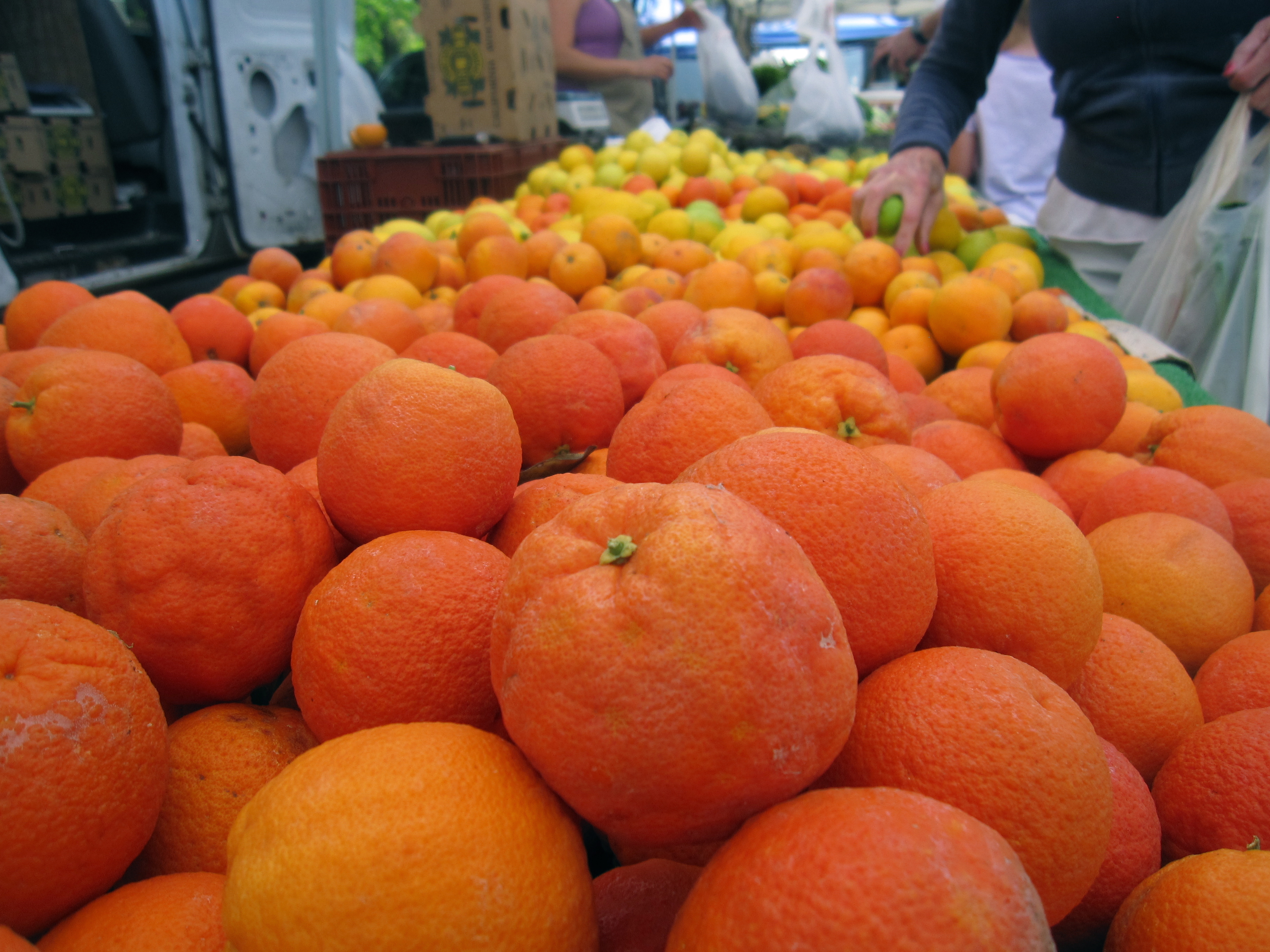


The ebb and flow of these beliefs stem from the abundance of information we’re engulfed in regarding food these days. Information that is sometimes helpful, and often not. And the abundance is a result of the rapid growth in the public awareness of the food movement.


The public focus of today’s food movement broadly centers on creating alternatives to every element of the food system, from grower to producer to consumer. And unless you live under a rock, it’s hard to avoid the knowledge that this movement is growing rapidly. It offers a broader lens through which people can consider elements of society and politics, and out of which they can become involved to some degree. Sounds good, right? The American public is realizing that food is pervasive and all-encompassing, and therefore powerful. And because of the food movement’s varied origins in the counterculture and politics of the 1960s and 70s, a number of philosophies regarding the production and consumption of food are now incorporated into the overarching movement, including the organic, local, and seasonal ideals.
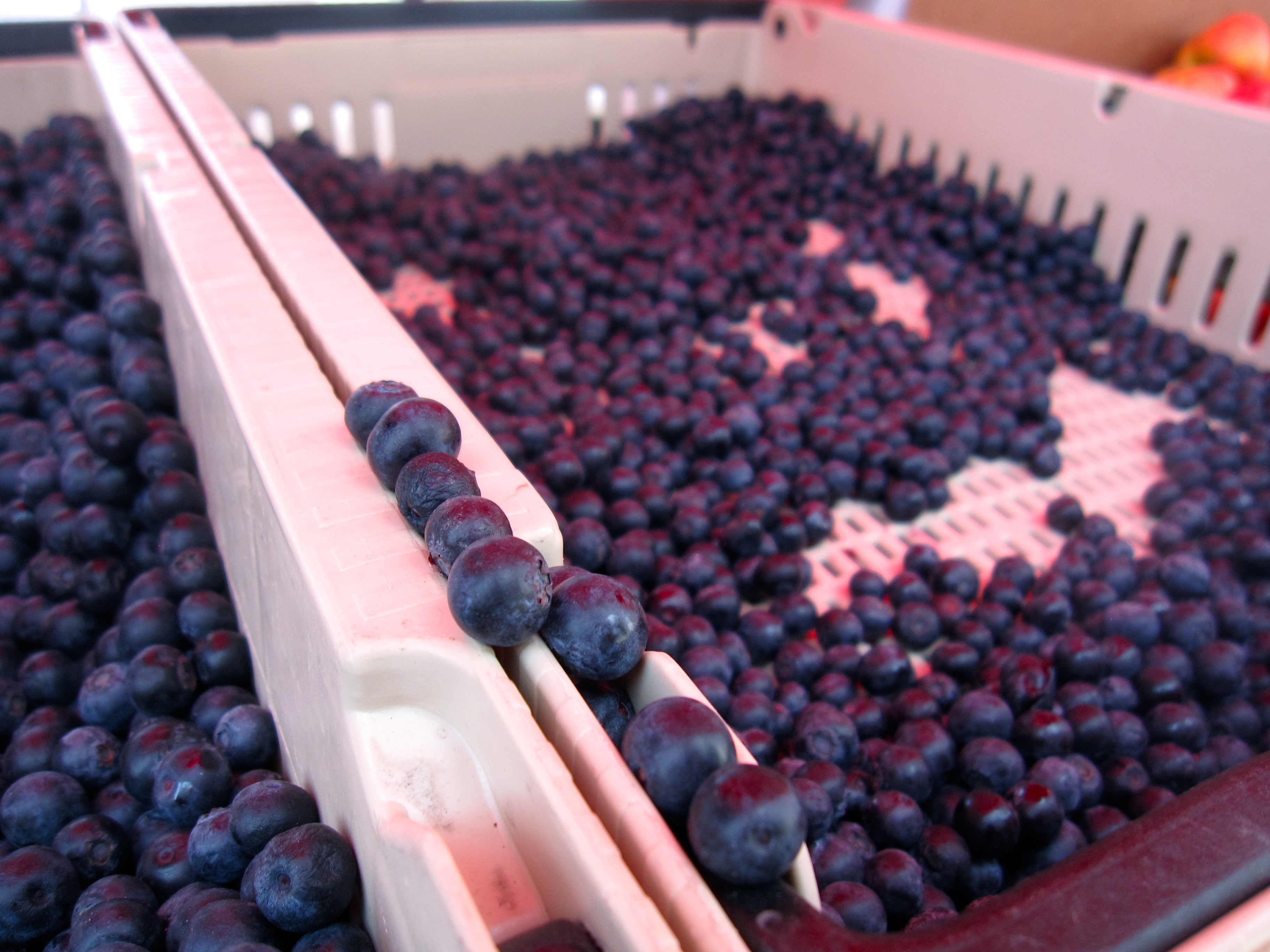


Organic farming methods have a long history in agricultural production. As the initial ideology espoused by the movement of the late 60s in an effort to protect America’s ecology from the threats of industrialized agriculture, organic agriculture promotes methods that support the natural resources and cycles of the ecosystem. This is accomplished by growing all the fruits and veggies we love without the use of pesticides, added chemicals, or genetic engineering. Better for them, better for us.


Eating locally means consuming foods grown and produced within a certain radius from where you live. The number of miles used to value ‘local’ can vary, but a good rule of thumb is 100 miles. Good for local businesses, communities, and good old-fashioned producer/consumer relationships.


Then comes eating seasonally. As I hint above, this means eating fruits and vegetables only when they are “in season.” It’s hard to remember that this concept even exists, given the fact that in America we’ve grown so accustomed to being able to get just about any food whenever we want it. But eating seasonally can be better for the earth when it promotes the natural ecology.
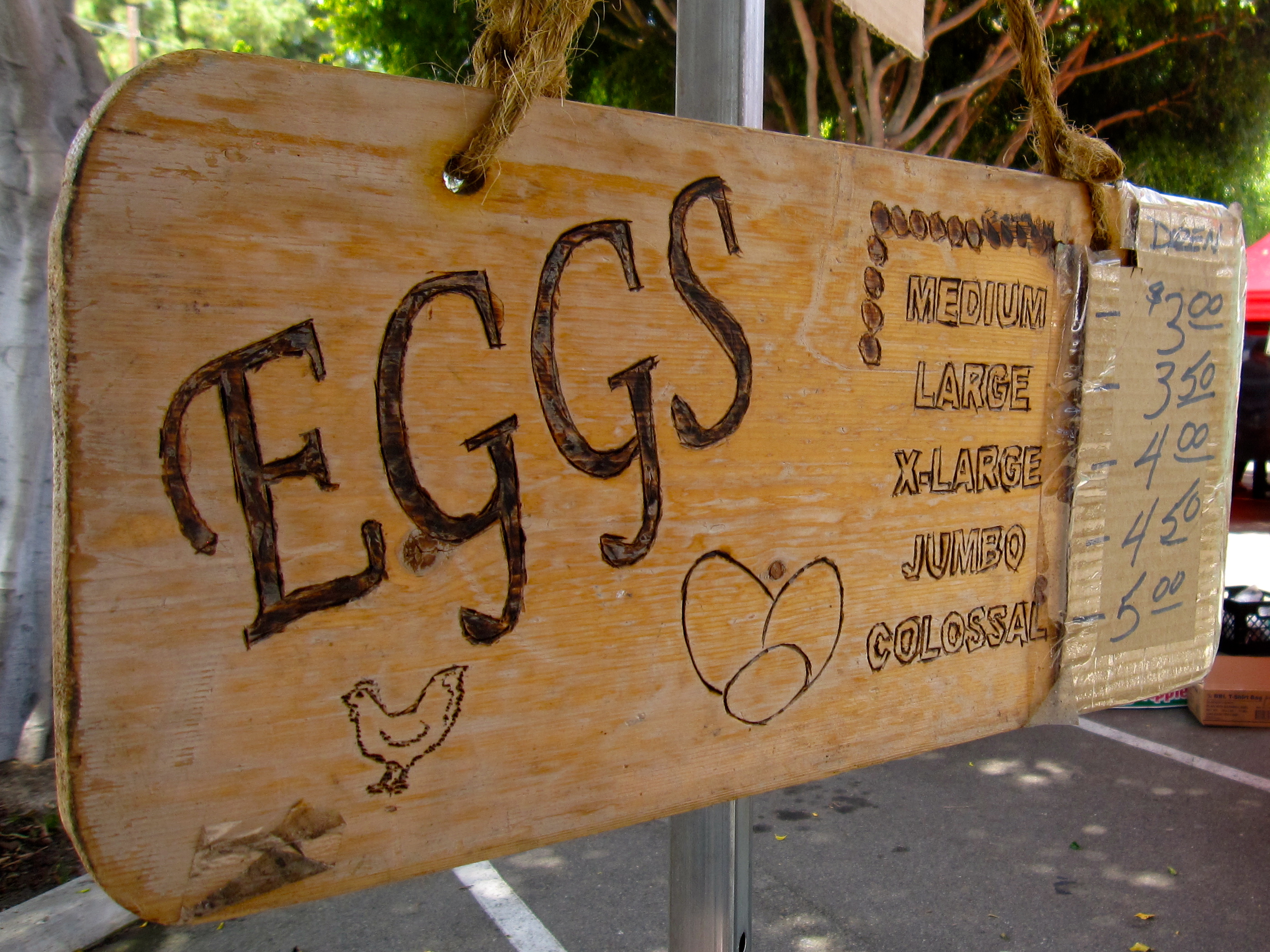


So, as you make your produce choices this week (and I certainly hope you do make produce choices!) I encourage you to consider what role ‘organic,’ ‘local,’ and ‘seasonal’ play in your decisions and why. Take a second to think about it. After all, much of the value in a decision is knowing why you’re making it in the first place.
Share this:

  • Share on Facebook (Opens in new window) Facebook
  • Share on Pinterest (Opens in new window) Pinterest
  • Share on X (Opens in new window) X
  • Email a link to a friend (Opens in new window) Email
Like Loading...

2 Comments

Poppy seeds, lemons, zucchini. Oh my.

Posted on May 15, 2012

Hello, my friends! I want to thank you for being so patient while waiting for my next post here. I know it’s been awhile and I’ve been ever so grateful for every minute of my relaxing vacation in California — what I like to call “perfecting the art of escapism via the sun.”


It’s been wonderful. Exactly what the doctor ordered. Loads of time with friends and family and my dog. At home, at the beach, in the sand, under the stars. Alas, it’s been an unexpected whirlwind of a trip so as I pack and get ready to say my goodbyes I want to give you a little peek into my vacay. Via the kitchen, of course.


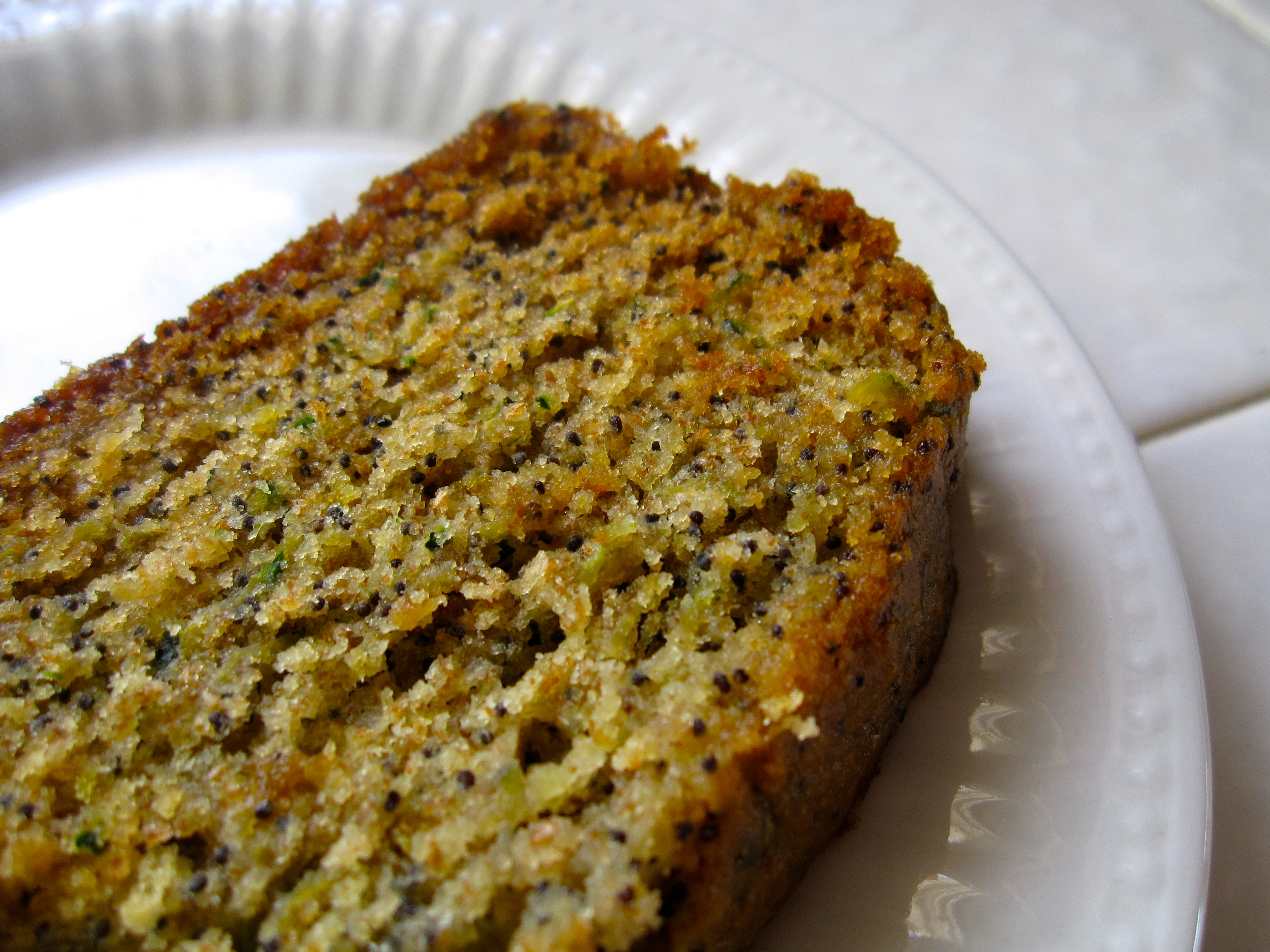
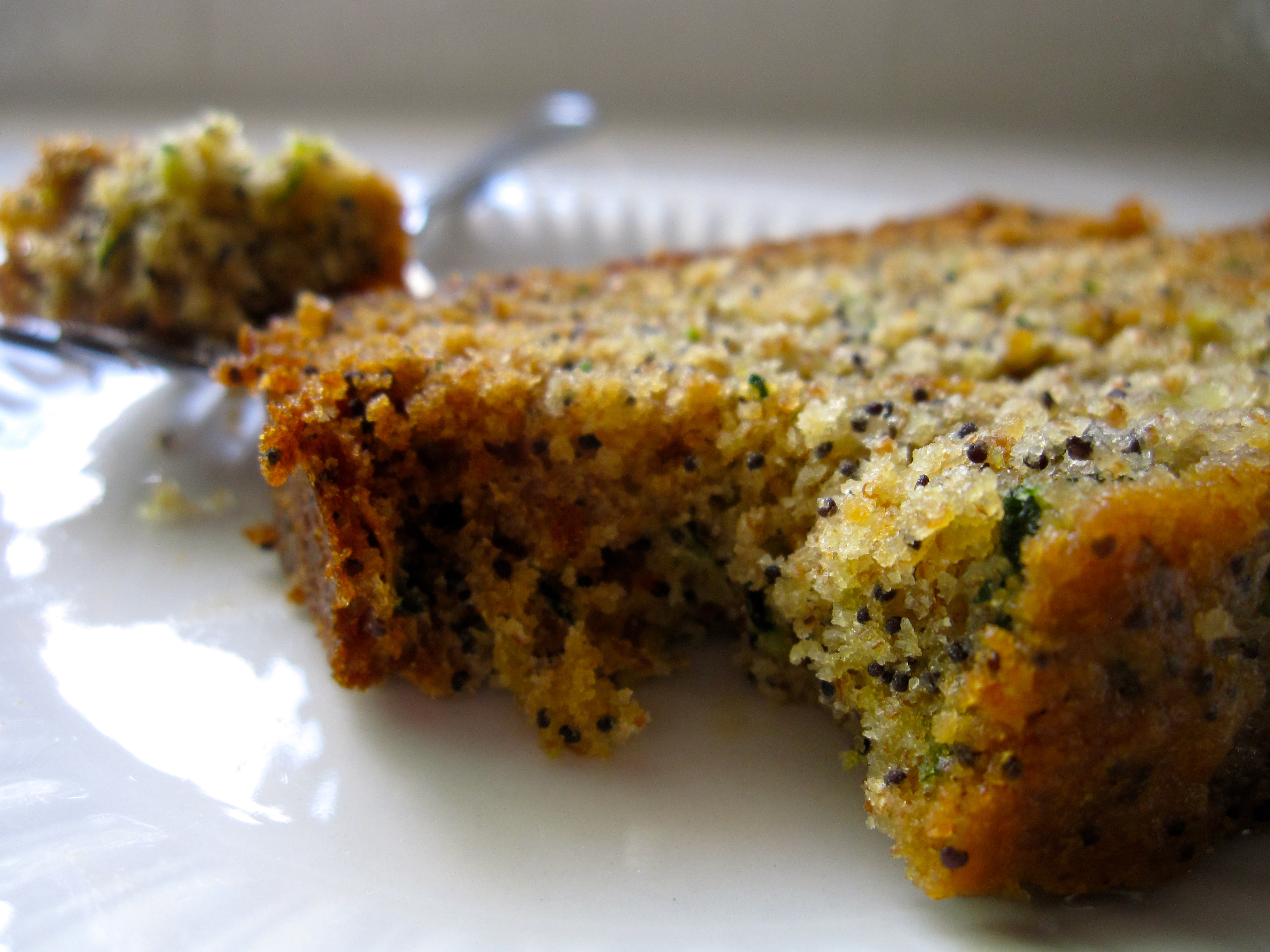
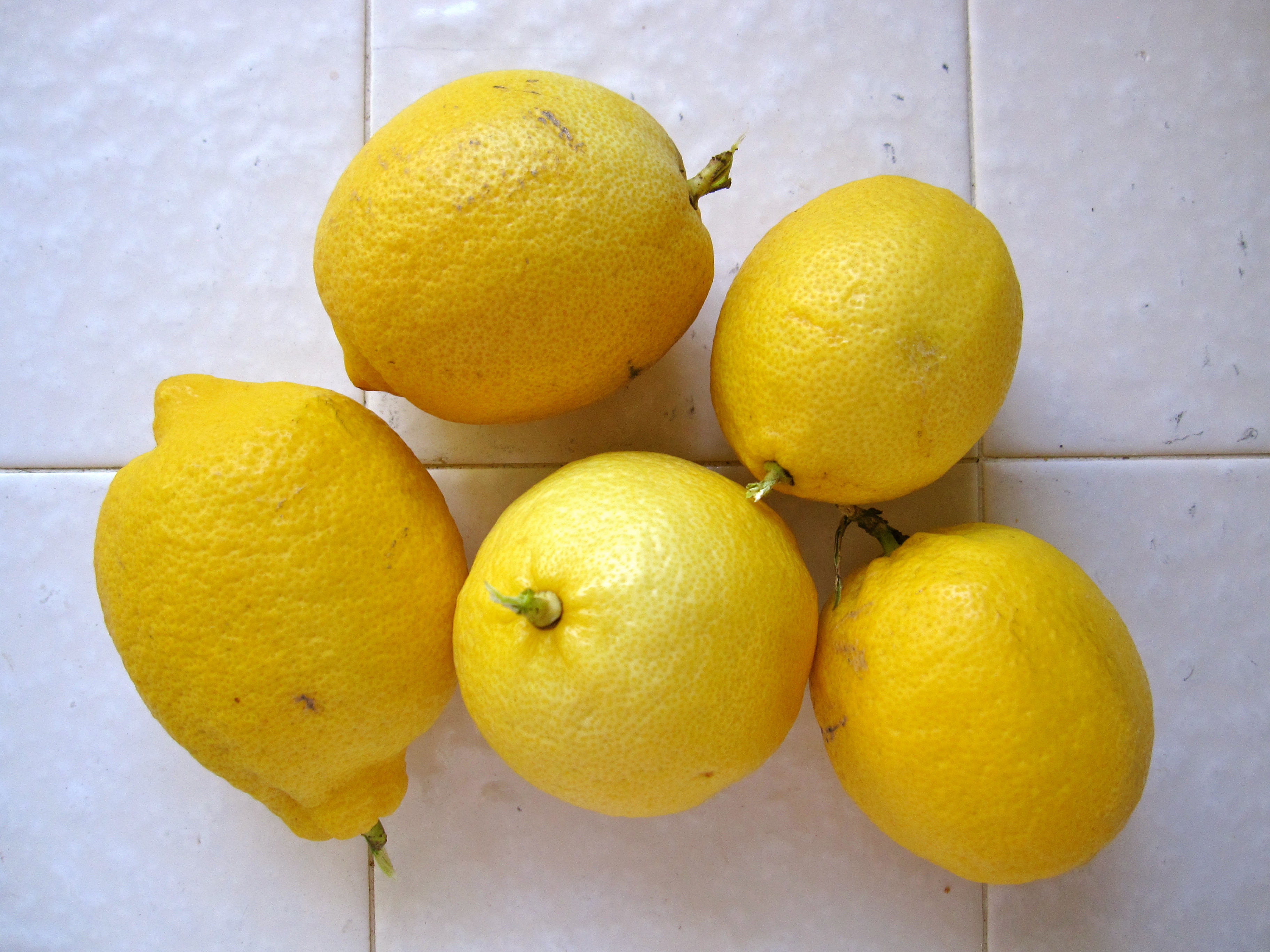
When I first arrived at my parents’ house the day I flew in from Boston, I noticed their neighbors’ new lemon trees. I just knew I had to make use of them while I was here. Thankfully, the neighbors agreed. So, while lemons became the highlight of things grilled, baked, and roasted, my favorite starring role was in this lemon, poppy seed, zucchini bread.


The zucchini came from the farmers’ market, which was nearly my first stop in California. I snapped some nice shots there to share with you later. The farmers’ market is one of the rare places where life seems to slow and my soul seems to swell. (The others on that particular list include the beach, the mountains, and practically any small town in Italy with a cafe and a good glass of wine.) At the farmer’s market people are happy and relaxed, enjoying the sun and the fruits of the land. And I relish it.


So, next time you’re at the farmers’ market, grab some lemons and zucchini (unless you’re unbelievably lucky enough to be growing some of your own), and bake up this mildly sweet, perfectly moist, ever-so-crunchy bread that is equally delish with breakfast, lunch, and dinner.


Lemon, Poppy Seed, Zucchini Bread with Lemon Glaze

Adapted from Taming the Tart

Yield: 2 loaves


Ingredients

1 1/2 cups all-purpose flour

1 1/2 cups whole wheat flour

2 teaspoons baking soda

1/2 teaspoon baking powder

1/2 teaspoon salt

2 eggs

1/2 cup honey

1/2 cup granulated sugar

1/2 cup unsalted butter, melted and slightly cooled (Tip: melt only most of the butter and then stir to melt the remaining butter. This helps it cool more quickly.)

1/4 cup vegetable oil

2 tablespoons lemon zest (from approximately 1 medium lemon)

3 cups grated zucchini

1/3 cup poppy seeds

4 tablespoons lemon juice (from approximately 2 medium lemons)

1 cup powdered sugar


Directions

Preheat the oven to 350° F with a rack in the middle of the oven. Butter two loaf pans.


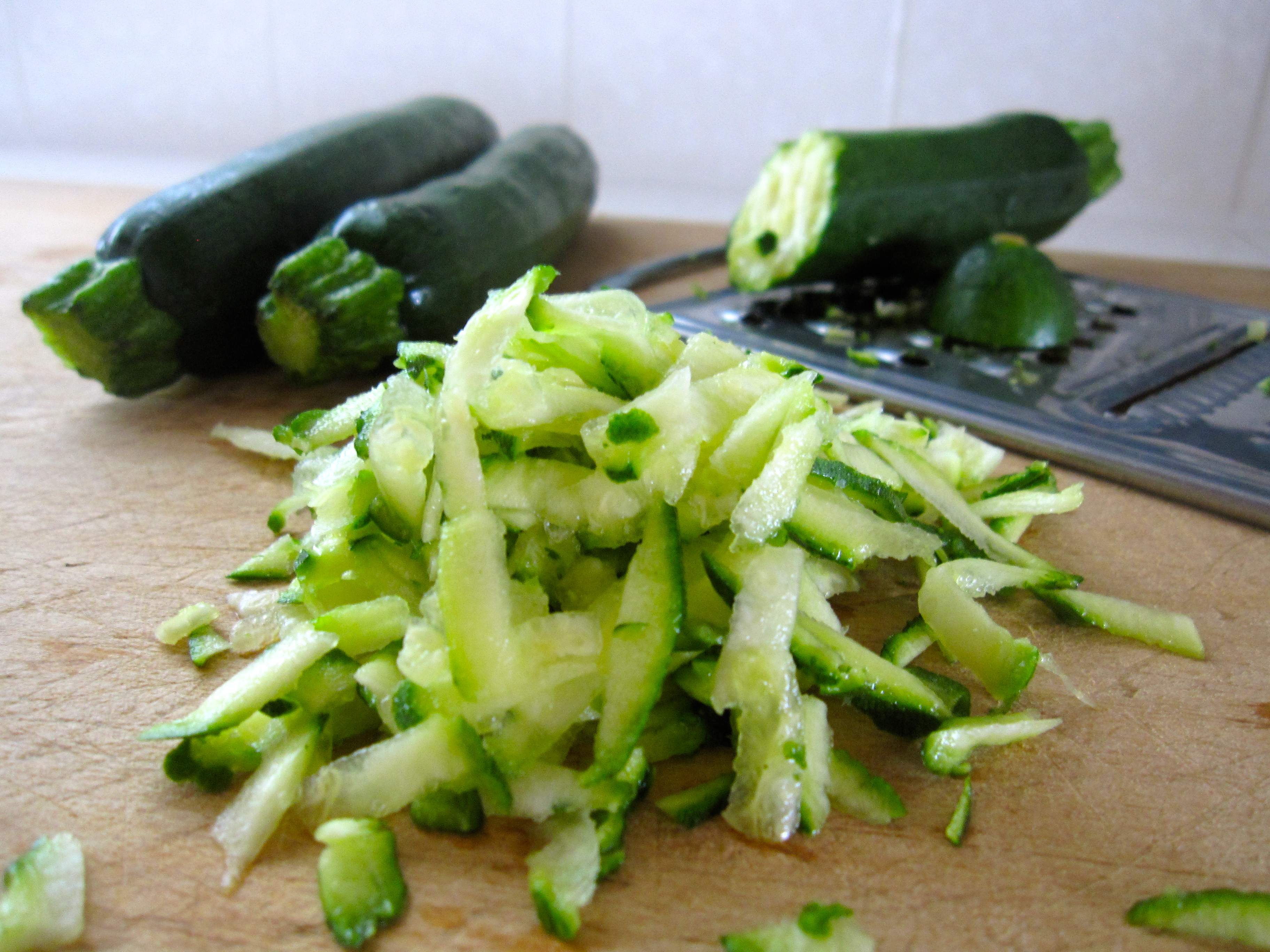
Grate the zucchini (approximately 3 small/medium-sized should give you 3 cups) using grater or food processor.


Clean the lemon and zest the peel using a microplane or grater.


In a medium bowl, sift or whisk together the flours, baking soda, baking powder, and salt. Set aside the dry ingredients.


Beat the eggs with a stand or hand-held mixer until foamy. Beat in the honey, sugar, butter, 1 tablespoon lemon juice, and lemon zest until well combined. Stir or lightly beat in the oil, poppy seeds, and zucchini.


Add the dry ingredients to the wet, and stir until just combined.


Pour half the batter into each of the prepared loaf pans. The batter for this bread is quite thick. Don’t be alarmed!


Bake for 40-50 minutes, until the tops are browned and a toothpick comes out clean (should you find yourself 3,000 miles away from your kitchen and your wholly unnecessary yet totally adorable cake tester). Let cool for a few minutes and then turn out onto a cooling rack.


While the loaves are cooling, make the glaze by combining the powdered sugar and 3 tablespoons of lemon juice in a bowl. Mix well until thoroughly combined and  the sugar is dissolved.


Use a fork to poke holes on the tops of the loaves. Then slowly pour the glaze over the tops of both loaves.


Enjoy!

Share this:

  • Share on Facebook (Opens in new window) Facebook
  • Share on Pinterest (Opens in new window) Pinterest
  • Share on X (Opens in new window) X
  • Email a link to a friend (Opens in new window) Email
Like Loading...

11 Comments

Let’s eat cake.

Posted on April 29, 2012

When I first learned at the beginning of the semester that I’d be writing a term paper for one of my classes, I knew I wanted to write about artisanal foods. The artisanal food movement seems to be exploding in craft cheeses, beers, breads, ice cream, pickles. Artisanal pickle ice cream? I’m sure it’s out there.


I knew I wanted the opportunity to study, read, and write about what’s happening, so I’m using this paper to examine the possible effects of artisanal food consumption on today’s food movement. It’s proving to be damn hard work fascinating. The Type A perfectionist in me is waiting to share more with you until after the paper is turned in — i’s dotted, t’s crossed, thesaurus properly utilized. Twenty pages of my brilliance are due by 11:59pm today. NBD. Let’s eat cake.


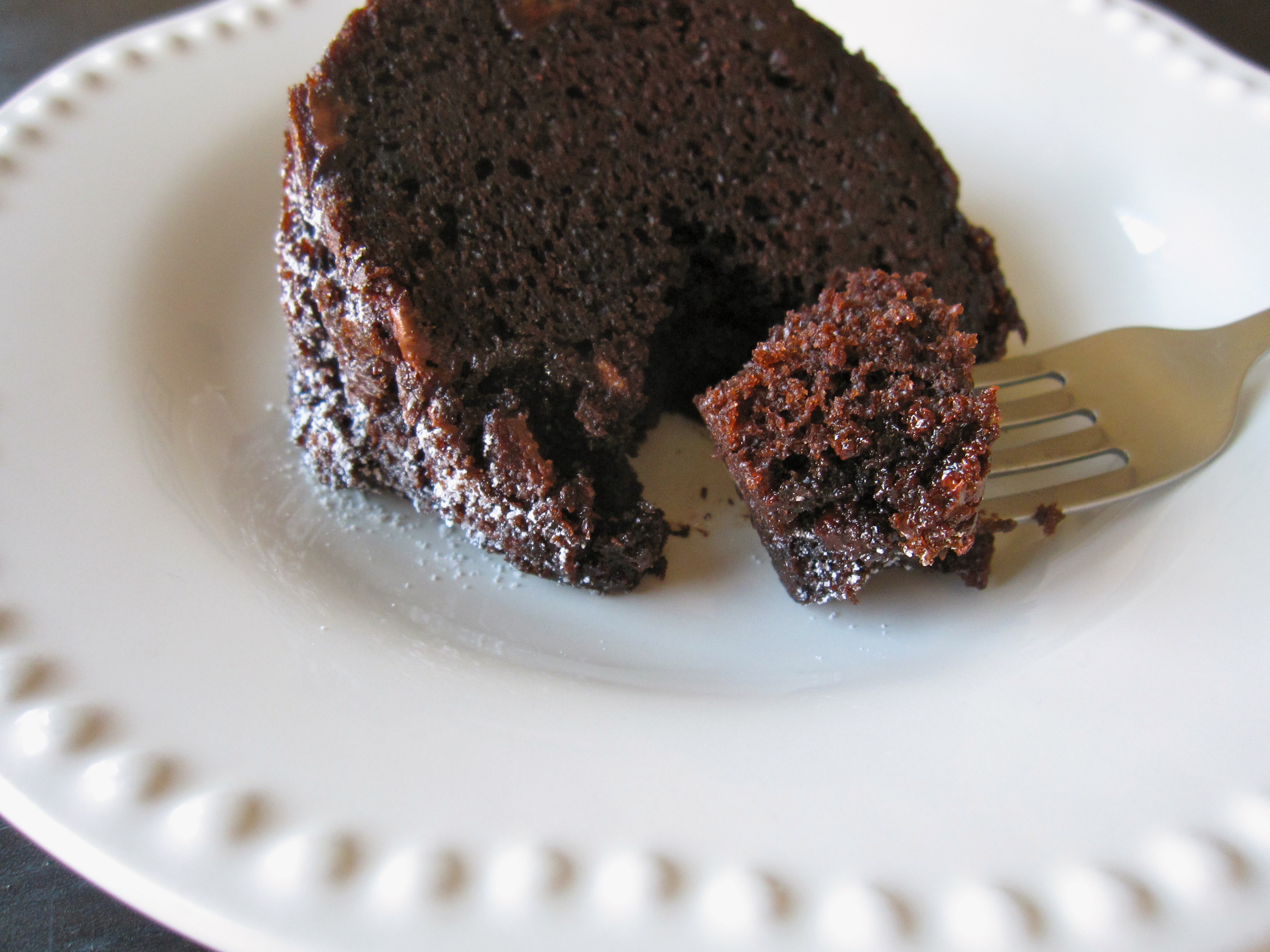
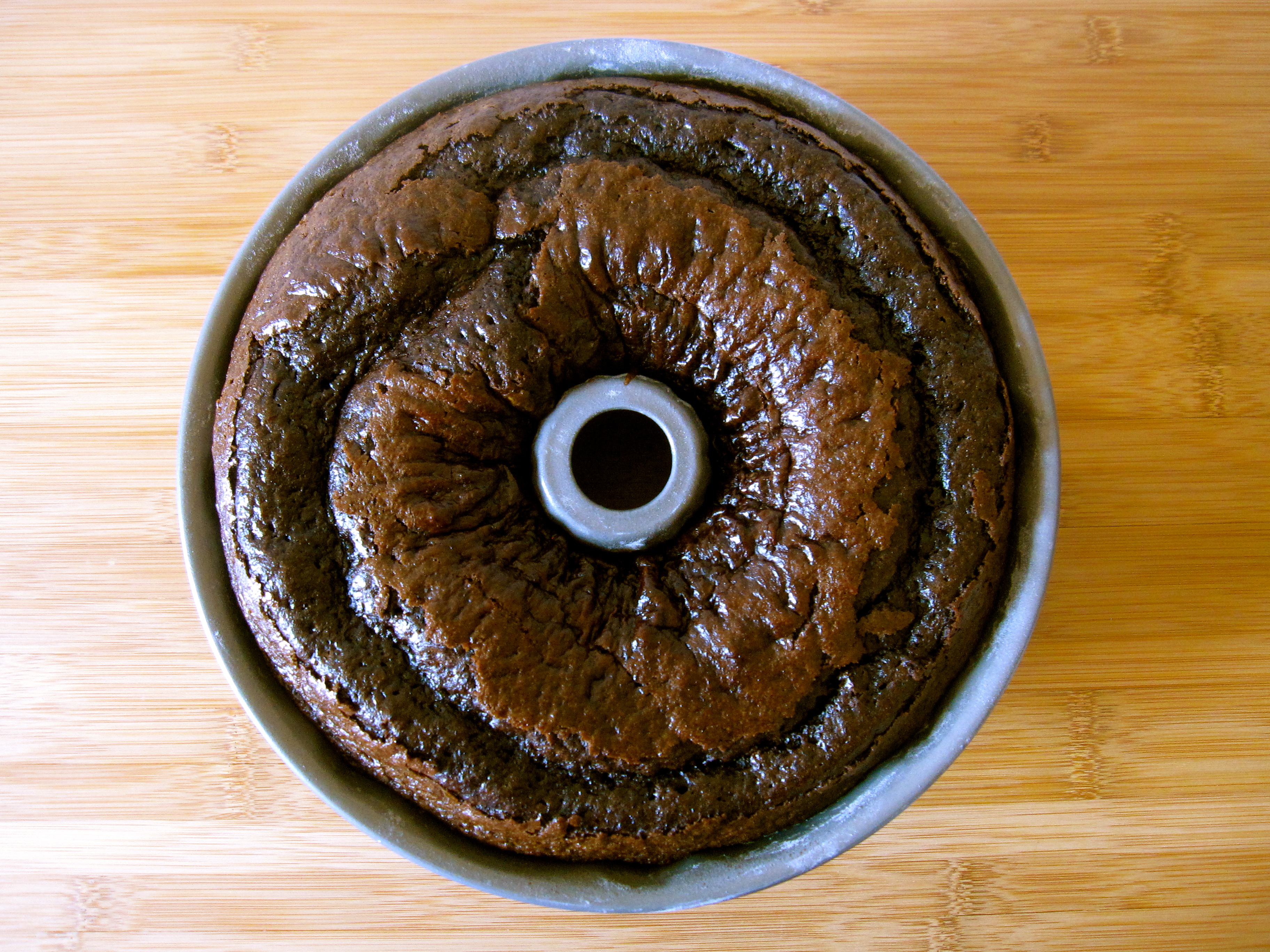
When I get stressed I tend to bake. I stress bake. So that I can stress eat. It’s wholly productive. So please allow me to share with you one of the things that kept me going this past week (in addition, of course, to coffee, the promise of my impending vacation, coffee, my Rihanna Pandora station, coffee, and sufficient Pinterest breaks). Chocolate. Cake. Chocolate cake!


I recognize that I should just accept the perfectly normal craving for chocolate cake. But instead I’m going to tell you that this cake was inspired by my term paper. The cake’s key ingredient was 100% cacao unsweetened natural cocoa powder from one of my favorite artisanal food producers, Scharffen Berger Chocolate Maker in Berkeley, California. According to Scharffen Berger, they pioneered artisan chocolate-making in America by producing “bean to bar” chocolate in small batches that “highlight the true, rich flavors of cacao.” It’s worth every pretty penny. Trust.


This cake is a decadent treat. It tastes of pure, unadulterated chocolate. Not too sweet. Just right. I shared it with my class this week since I already ate half of it myself. (Totally joking! Ha. Haha. Nervous laughter.) It got rave reviews. Probably because the smell of chocolate is amazingly overpowering. In a good way. Unlike term paper writing.


Mmm. Can you smell it?!


Coffee Chocolate Bundt Cake

Serves 1-16 (your secret’s safe with me)


Ingredients

1 cup brewed coffee

3/4 cup unsweetened 100% natural cocoa powder

2 1/4 cups granulated sugar

1 1/4 teaspoons fine grain salt

2 1/2 teaspoons baking soda

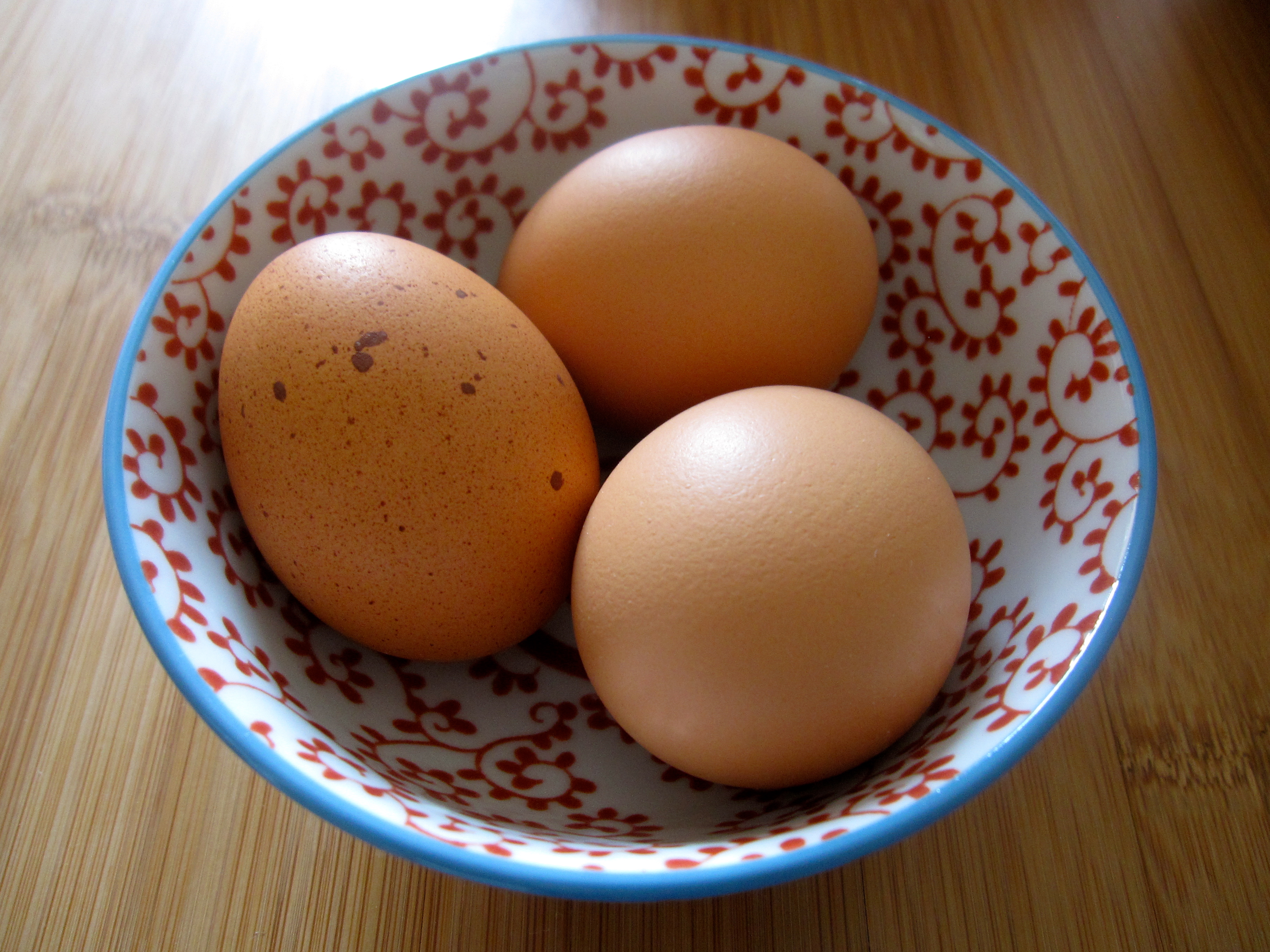
3 eggs

1 cup 1% milk

3/4 cup 0% Greek yogurt

1 cup canola oil

1 1/2 teaspoons vanilla

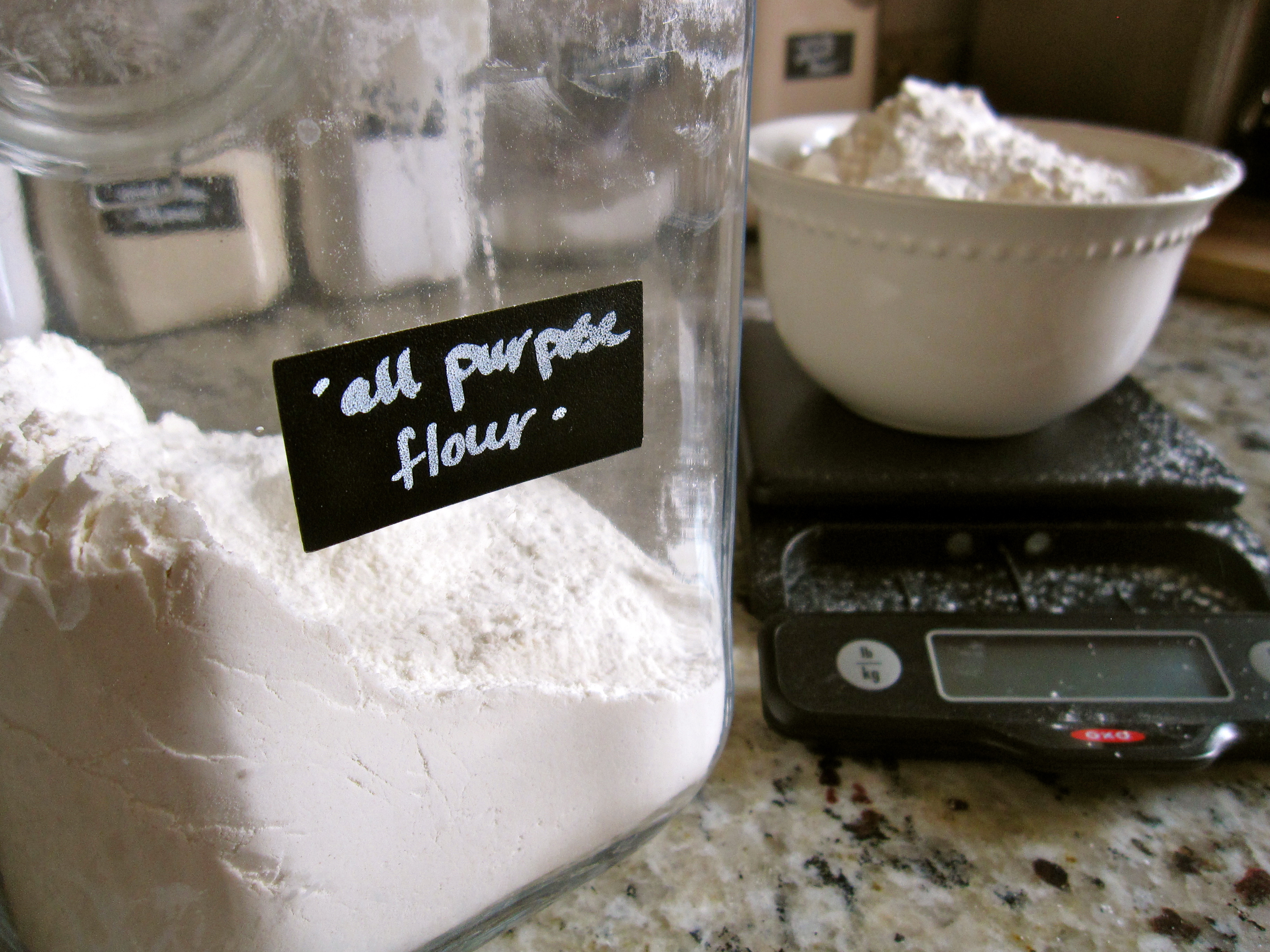
2 1/2 cups, plus 2 Tablespoons, all-purpose flour


Directions


Preheat oven to 350 degrees, with a rack in the center of the oven.


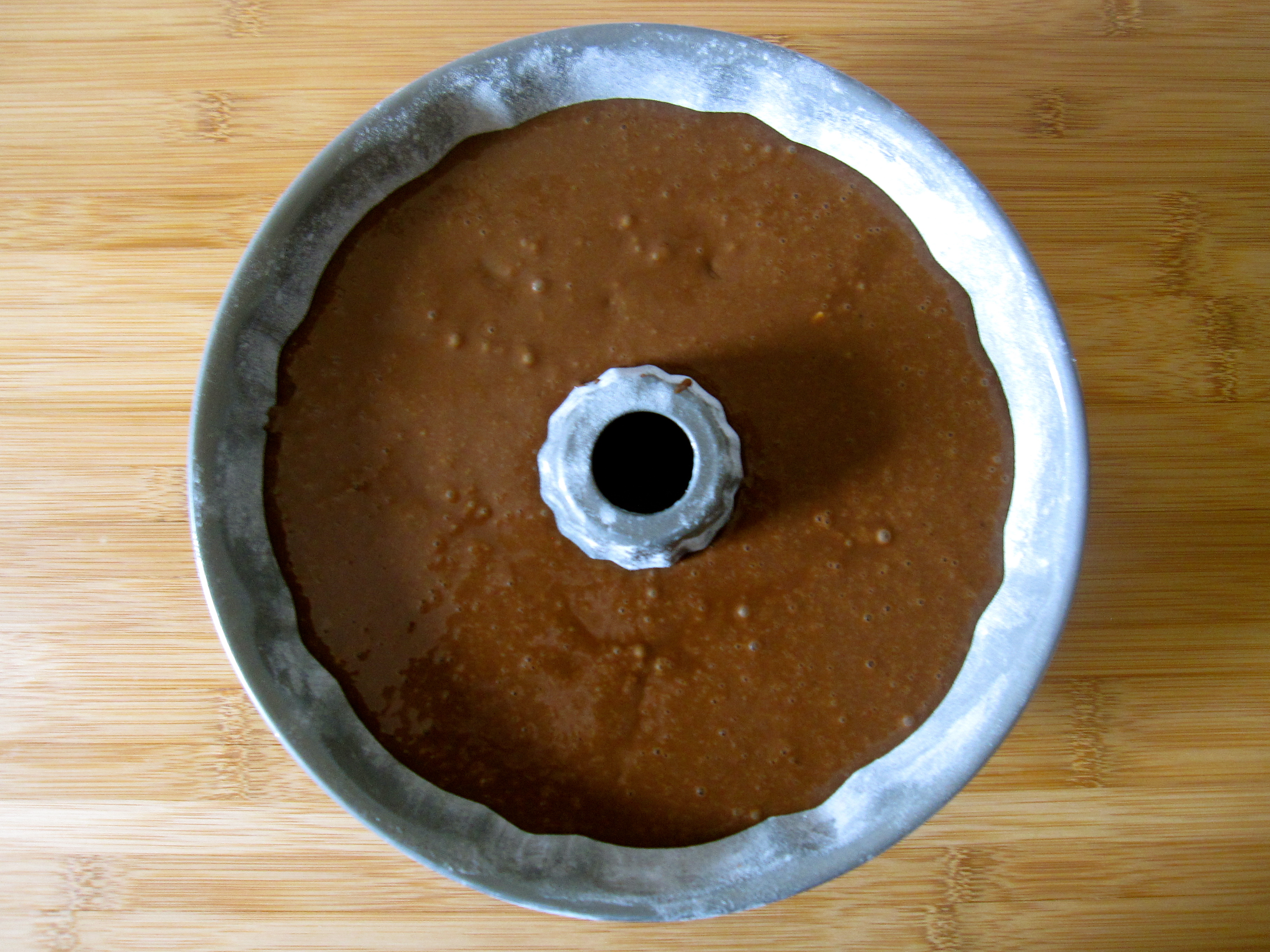
Butter the inside of a 10-inch bundt pan and then flour the pan. Hint: “flour” the pan with cocoa powder instead of flour so that no white flour leaves a trace on your cooked and beautiful cake!


Combine coffee and cocoa powder in a small sauce pan. Bring to a low boil, whisking frequently. Once boiling, remove the pan from the heat and let the chocolate come to room temperature while prepping the rest of the recipe.


Combine sugar, salt, baking soda, and eggs in the bowl of your beloved KitchenAid stand mixer. Mix on low speed for about 1 minute.


Add the milk, yogurt, oil, and vanilla to the bowl of the stand mixer. Mix on low speed for about 1 minute.


Add the flour to the bowl of the stand mixer. Mix on medium speed for about 2 minutes, until thoroughly combined.


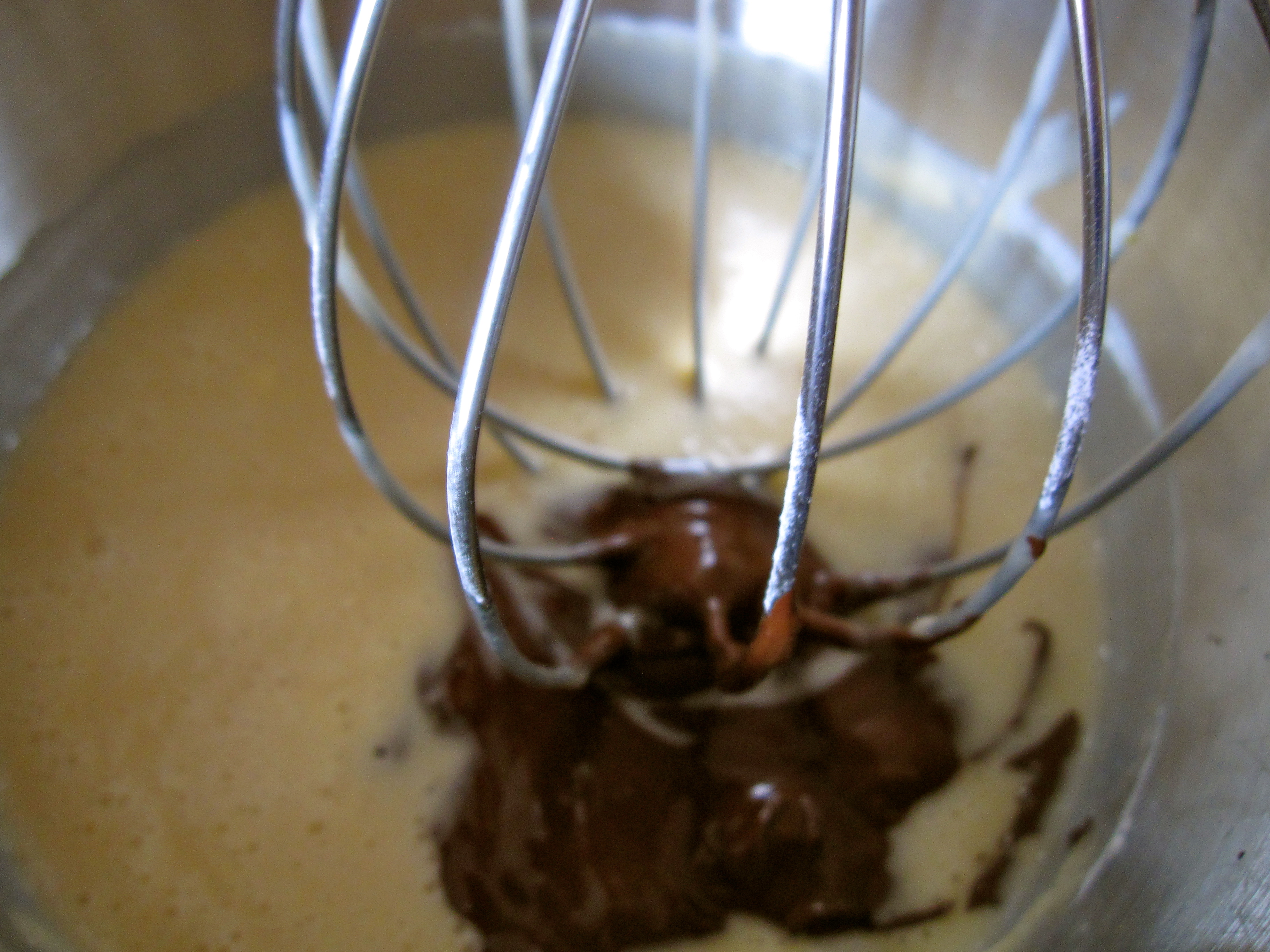
Add the chocolate/coffee mixture to the bowl of the stand mixer. Mix on medium speed for about 3 minutes. Take a moment to appreciate the joy that is your stand mixer.


Pour the batter (which will be relatively runny…have no fear!) into the bundt pan.


Bake the cake for 1 hour until the top is set, or until a cake tester or toothpick inserted into the middle of the cake comes out clean.


Allow the cake to cool completely in the pan. Once cooled, invert the cake onto a pretty plate of your choosing and sprinkle the top with sifted powdered sugar.


Eat the cake while standing at the counter with fork in hand. Share the cake with anyone and everyone you love!

Share this:

  • Share on Facebook (Opens in new window) Facebook
  • Share on Pinterest (Opens in new window) Pinterest
  • Share on X (Opens in new window) X
  • Email a link to a friend (Opens in new window) Email
Like Loading...

12 Comments

« Older entries    Newer entries »

Enter your email address to receive notifications of the latest posts on ginger&jam.

Join 156 other subscribers

search

facebook

facebook

tweets

Tweets by gingerandjam

recent posts

  • Frozen, baked, and rendered delicious. February 16, 2013
  • Quiet mornings. With a muffin. February 4, 2013
  • Giving thanks, with dessert. November 19, 2012
  • Pure and simple and sweet. November 12, 2012
  • A bowl of soup and memories. October 28, 2012

archive

Return to top

© Copyright 2011-2018 Jennifer Taillon Montone (gingerandjam.com). All rights reserved. Unless otherwise noted, all content and images are copyrighted and cannot be used without permission.

Blog at WordPress.com.

  • Subscribe Subscribed
    • ginger&jam
    • Join 156 other subscribers
    • Already have a WordPress.com account? Log in now.
    • ginger&jam
    • Subscribe Subscribed
    • Sign up
    • Log in
    • Report this content
    • View site in Reader
    • Manage subscriptions
    • Collapse this bar
 

Loading Comments...
 

You must be logged in to post a comment.

    %d